
Medical-Grade Facials Explained: Why “Med Spa” Is Not Just a Fancy Day Spa
The word “facial” can mean very different things depending on where you book it.
At a day spa, a facial is often designed for relaxation, hydration, light exfoliation, massage, and a short-term glow. There is nothing wrong with that. A traditional spa facial can feel wonderful and may help the skin look refreshed for a few days.
A medical-grade facial is different.
At a med spa, the goal is not only relaxation. The goal is skin correction, skin health, and long-term improvement. That means the treatment should begin with an assessment, use professional-grade products or devices when appropriate, and fit into a larger plan for concerns like acne, pigment, redness, dullness, texture, aging, sun damage, and barrier repair.
For patients in Cumming GA, South Forsyth, Windermere, Vickery Village, Alpharetta, Milton, and Lake Lanier, understanding this difference matters. If you are searching for a medical-grade facial, you are probably looking for more than a pleasant appointment. You are looking for a result.
A Day Spa Facial and a Medical-Grade Facial Have Different Goals
A day spa facial is usually built around comfort. The room is quiet. The products smell nice. The treatment may include cleansing, steam, massage, extractions, a mask, and moisturizer. The experience matters as much as the outcome.
A medical-grade facial is built around the skin’s condition.
That does not mean it cannot be relaxing. It means the treatment is more intentional. The provider should evaluate what your skin needs before deciding what to do. Dry skin, acne-prone skin, pigment-prone skin, mature skin, post-laser skin, and sensitive skin should not all receive the same facial.
The difference is diagnosis. A medical-grade facial should be chosen because it fits your skin, not because it sounds luxurious on a menu.
What Makes a Facial “Medical-Grade”?
A medical-grade facial usually includes a higher level of assessment, product selection, active ingredients, device support, and treatment planning than a standard spa facial.
This may include professional exfoliation, dermaplaning, extractions when appropriate, enzyme or acid-based treatments, LED, hydration therapy, barrier repair, pigment-supporting ingredients, acne-focused protocols, or medical-grade skincare recommendations.
In some cases, a medical-grade facial may be used to prepare the skin for treatments like CoolPeel, BBL, microneedling, chemical peels, injectables, or body contouring. In other cases, it may be used for maintenance between more corrective procedures.
That is the real difference. A medical-grade facial is not an isolated pampering service. It is part of a skin strategy.
Medical-Grade Does Not Mean Aggressive
This is an important distinction.
Medical-grade does not mean harsh, painful, or irritating. A good medical-grade facial should not strip the skin barrier or leave the patient inflamed for no reason. In fact, many patients need calmer, smarter care, not stronger care.
For example, a patient with redness, sensitivity, post-treatment dryness, or barrier damage may need hydration, repair, and anti-inflammatory support. A patient with congestion may need careful exfoliation and extractions. A patient with dullness may need resurfacing support. A patient with pigment may need brightening ingredients and strict sun protection.
The treatment should match the skin’s tolerance. Stronger is not automatically better.
The Skin Barrier Matters
The skin barrier is one of the most important parts of healthy skin. When it is functioning well, the skin holds hydration, tolerates active ingredients, recovers more easily, and looks smoother and calmer. When the barrier is damaged, the skin may feel tight, dry, irritated, red, flaky, reactive, or more acne-prone.
Many patients unknowingly damage their barrier by using too many exfoliants, retinoids, acids, scrubs, or trend-driven products at home. Then they book a facial hoping for a glow, when what their skin actually needs is repair.
This is where a medical-grade facial becomes valuable. The provider should be able to recognize whether the skin needs stimulation or recovery.
Medical-Grade Facials Can Support Corrective Skin Goals
A medical-grade facial may be useful for patients who want improvement in dullness, congestion, dehydration, rough texture, mild acne, uneven tone, dryness, makeup texture, and overall skin health.
Chemical peels, when appropriate, may help improve visible signs of aging and some skin conditions. The American Academy of Dermatology explains that chemical peels can diminish signs of aging and treat some skin concerns, but they require proper selection and aftercare.
That matters because a medical-grade facial may include light exfoliating acids, enzymes, or peel-like steps, depending on the patient. These ingredients can be useful, but they should not be used randomly. Skin type, pigment risk, sensitivity, recent sun exposure, and current skincare all matter.
Why Professional Product Selection Matters
Medical-grade facials often use more targeted products than a standard spa facial. These may include professional-strength antioxidants, peptides, humectants, growth-factor-supporting formulas, exfoliating acids, brightening ingredients, calming agents, and barrier-repair products.
The value is not simply that the products are “stronger.” The value is that they are selected for a purpose.
A patient using retinoids at home may need a different facial than someone using no active ingredients. A patient preparing for BBL may need pigment control and sun discipline. A patient recovering from CoolPeel may need barrier repair and hydration. A patient dealing with acne may need a plan that avoids pore-clogging products and excessive irritation.
Good skin care is not just about product quality. It is about sequencing.
Sunscreen Is Part of the Treatment Plan
Any serious skin plan includes sunscreen.
The American Academy of Dermatology recommends broad-spectrum, water-resistant sunscreen with SPF 30 or higher as part of daily sun protection. This matters for every patient, but especially for anyone investing in facials, peels, lasers, BBL, CoolPeel, microneedling, or pigment correction.
A med spa that treats skin but does not discuss sunscreen is missing one of the most important parts of long-term skin health.
Medical-grade facials can help improve the appearance of the skin, but daily habits protect the investment.
When a Facial Is Not Enough
A medical-grade facial can do a lot, but it cannot replace every corrective treatment.
If the main concern is deeper wrinkles, significant laxity, acne scarring, advanced sun damage, facial volume loss, or pronounced pigmentation, the better plan may include CoolPeel, BBL, microneedling, chemical peels, injectables, biostimulators, or prescription-level skincare.
The facial may still be valuable, but it may not be the primary correction.
This is why consultation matters. A patient searching for “medical facial Cumming GA” may be thinking they need a facial when the better first step is actually skin resurfacing, BBL, or a structured skincare program.
A good provider should explain that clearly.
What to Expect During a Medical-Grade Facial
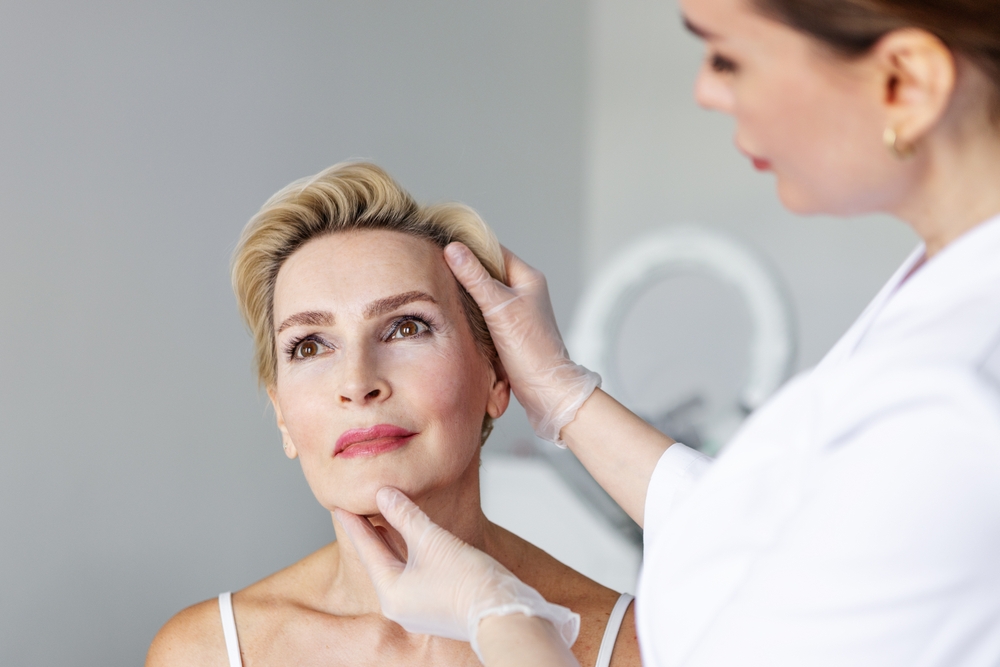
A medical-grade facial should begin with a skin assessment. The provider may review your concerns, current skincare products, medications, recent procedures, sun exposure, acne history, sensitivity, and upcoming events.
The treatment itself may include cleansing, exfoliation, extractions if appropriate, targeted serums, masks, LED, hydration support, dermaplaning, or other professional steps depending on your skin. The exact protocol should not be identical for every patient.
After the treatment, your provider should explain what to use at home, what to avoid, and when to return. If active exfoliation or peel-like steps were used, aftercare becomes even more important. The AAD notes that chemical peels require at-home care after treatment.
The best facial does not end when the appointment ends. It continues through the home plan.
Who Is a Good Candidate for a Medical-Grade Facial?
A medical-grade facial may be a good option for patients who want healthier, clearer, smoother, better-hydrated, more polished skin without jumping immediately into lasers or injectables.
It may be useful for patients with dullness, congestion, dryness, mild uneven tone, rough texture, early aging, sensitive skin, or a compromised barrier. It may also be appropriate as maintenance between CoolPeel, BBL, injectables, or other aesthetic treatments.
It is also a strong option for patients who are new to med spa care and want a professional skin assessment before deciding on more corrective treatments.
Who Needs Caution?
Some patients need a more careful approach.
This includes patients with active infection, severe acne flares, recent sunburn, highly reactive skin, recent laser treatment, recent peel, certain medications, pregnancy or breastfeeding considerations, a history of hyperpigmentation, or skin conditions that require medical management.
Mayo Clinic notes that chemical peels can cause changes in skin color, including hyperpigmentation or hypopigmentation, and that these concerns can be more common in people with brown or black skin. That does not mean these patients cannot receive skin treatments. It means the provider needs to choose the right treatment, strength, timing, and aftercare.
A medical-grade facial should be customized, not automatic.
Why “Med Spa” Should Mean More Than Luxury
A med spa should offer comfort, but comfort is not the main value. The main value is judgment.
That judgment includes knowing when to exfoliate and when to repair. When to brighten and when to calm. When to perform extractions and when to leave inflamed skin alone. When a facial is enough and when the patient needs CoolPeel, BBL, microneedling, injectables, or medical evaluation.
This is what separates a true med spa experience from a more decorative version of a day spa facial.
Patients should leave with better skin, but also with a better understanding of their skin.
A Medical-Grade Facial Is Skin Care With a Plan
A medical-grade facial is not just a more expensive facial. It is a more strategic one.
The goal is to assess the skin, choose the right treatment, support the barrier, improve visible concerns, and connect the appointment to a larger skin-health plan. For some patients, that means hydration and maintenance. For others, it means preparing for CoolPeel, BBL, microneedling, injectables, or a corrective skincare program.
If you are looking for a medical-grade facial in Cumming GA, Trinity Med Spa can help determine what your skin actually needs before recommending a treatment. Schedule a consultation to discuss medical-grade facials, skin rejuvenation, CoolPeel, BBL, dermaplaning, chemical peels, injectables, and a personalized skin plan for patients in Cumming, South Forsyth, Windermere, Vickery Village, West Forsyth, Alpharetta, Milton, Lake Lanier, and surrounding Forsyth County communities.